
Top 7 Event Trends We’re Seeing Through the Lens of Plant Design
As plant stylists working across high-profile events—from fashion activations to large-scale brand experiences—we have a unique front-row seat to the evolving trends in event design. Through the lens of plant design, we're spotting bold shifts in the way brands, planners, and creatives are using greenery not just for beauty—but for storytelling, immersion, and impact.
Here are the top 7 event trends we're seeing rooted in plant design:
1. Biophilic Design Is No Longer a Trend—It’s a Standard
Biophilia has evolved from buzzword to baseline. Clients are expecting events to feel natural, alive, and connected to the outdoors—even in the most industrial venues. We're seeing more requests for large palms, organic pathways, and living walls that soften hard architectural lines and bring balance to high-energy activations.
💡 Pro tip: Combine overhead foliage installations with floor-level styling to create a true canopy effect.
2. Maximalism with Plants is In
Minimalism is taking a backseat—at least for now. Designers are embracing lush, layered greenery with bold textures and scale. Oversized leaves, unusual specimen plants, and unexpected combinations (think cactus meets monstera) are creating more dramatic, editorial moments.
Plant design isn’t just a background element anymore—it’s the centerpiece.

3. Texture = Branding
Branding through color is expected. Branding through texture is the new frontier. We've been styling events where the plants feel like the brand—tough and sculptural for luxury auto launches, soft and wispy for beauty brands, wild and unruly for experiential art shows. Texture has become a language.
🌿 Design Tip: Use planter finishes, moss walls, or dry branches to align with a brand’s identity through feel, not just logo.
4. The Rise of “Soft Hardscapes”
Plant styling is blurring the line between florals and architecture. We're seeing more sculptural builds—like planter walls, living backdrops, and structured planter rows—that function almost like set design. These installations create pathways, zones, and visual anchors in wide-open event spaces.
Your plant wall is no longer just decorative—it’s directional.
5. Sustainability Is Being Demanded, Not Suggested
Clients are asking, “What happens to the plants after?” Sustainability has shifted from a nice-to-have to a must-have. Our nursery-to-rental-to-regrow model has become a selling point, and more planners are asking about waste reduction and reusability when selecting plant vendors.
🌎 Sustainable plant rentals with reuse systems will dominate the next phase of event design.
6. Micro-Moments: Vignettes Over Grand Installations
While large-scale looks still wow, many events are choosing to spread their investment across micro-installations—moments of intimacy, photo ops, and experiential storytelling. A perfectly styled reading nook with a jungle vibe or a branded cocktail corner under a canopy of ferns can deliver more ROI than one oversized statement wall.
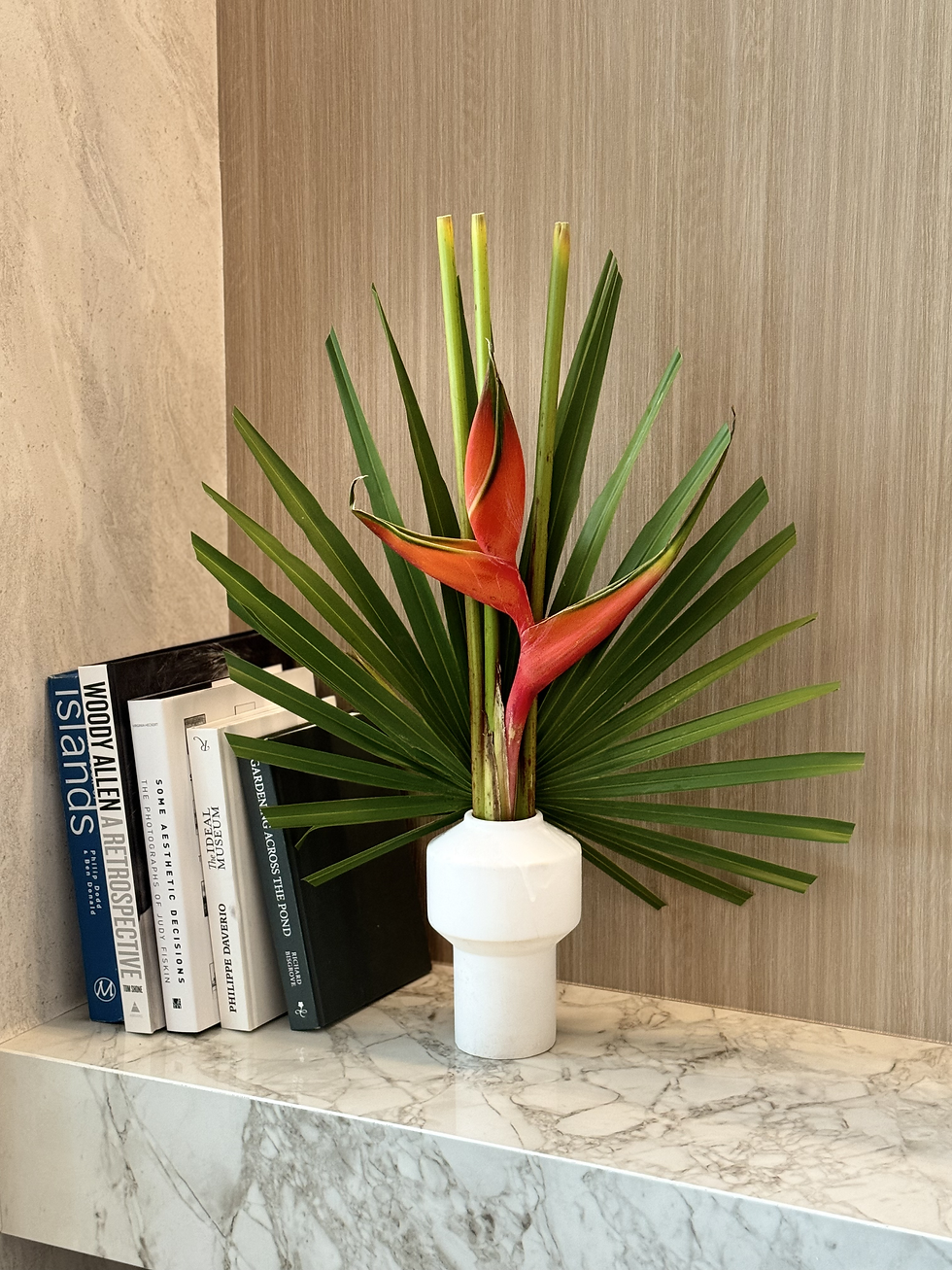
Smaller plants, styled intentionally, are just as powerful.
7. Plants as Interactive Storytelling Tools
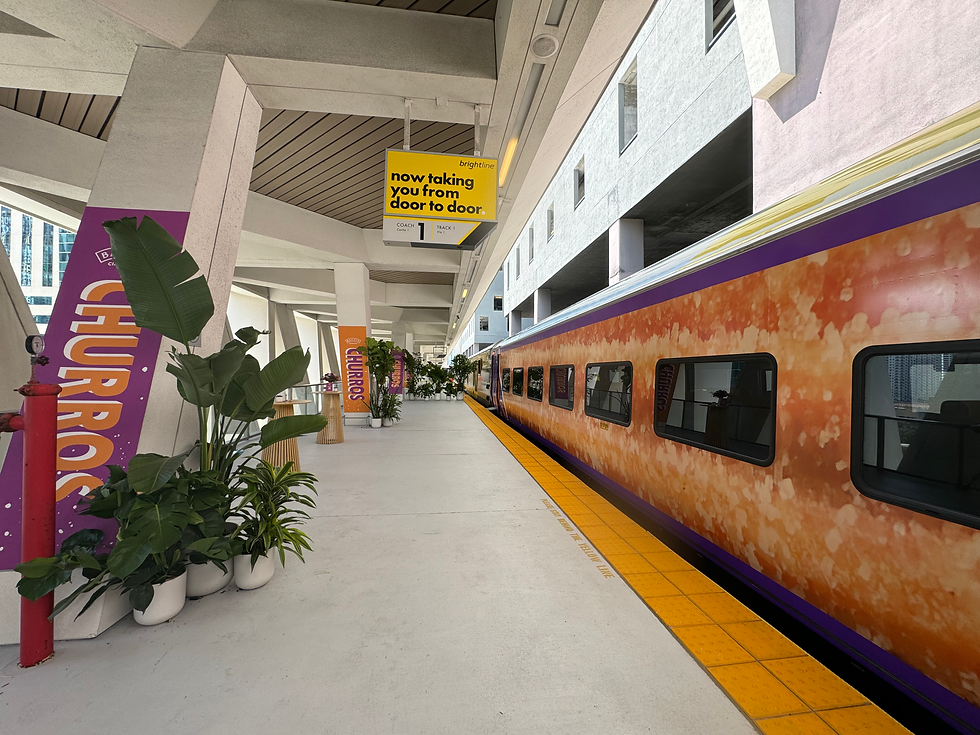
Plants are now part of the brand narrative—not just set dressing. We’ve created tropical forests for luxury travel brands, masculine green garages for Formula 1, and zen-inspired plant bars for wellness pop-ups. Attendees are encouraged to touch, smell, and move through the installations, making the experience immersive.
🎯 Plant design has become experiential marketing’s secret weapon.
Final Thoughts
These trends prove that plant styling is no longer just about adding greenery—it's about adding intention. From mood-setting to storytelling, the way we design with plants is influencing how events look, feel, and are remembered.
If you’re ready to style your next event with immersive, on-trend plant design, let’s talk. We specialize in turning blank spaces into lush environments that align with your vision and leave a lasting impression.

Comments